Your Clermont Short‑Term Rental Launch, From Closing On
April 16, 2026

April 16, 2026
Buying a Clermont property for short-term rental income can feel exciting right up until the paperwork, inspections, and launch steps start stacking up. If you want to go from closing table to first guest without avoidable delays, you need a clear plan before you buy, not after. The good news is that Clermont has a defined process, and when your brokerage and operations support are aligned, the path gets much easier to manage. Let’s dive in.
If you are buying with vacation-rental income in mind, the launch process starts well before you receive the keys. In Clermont, not every property type follows the same path, so your first filter should be whether the home is even eligible for vacation-rental use.
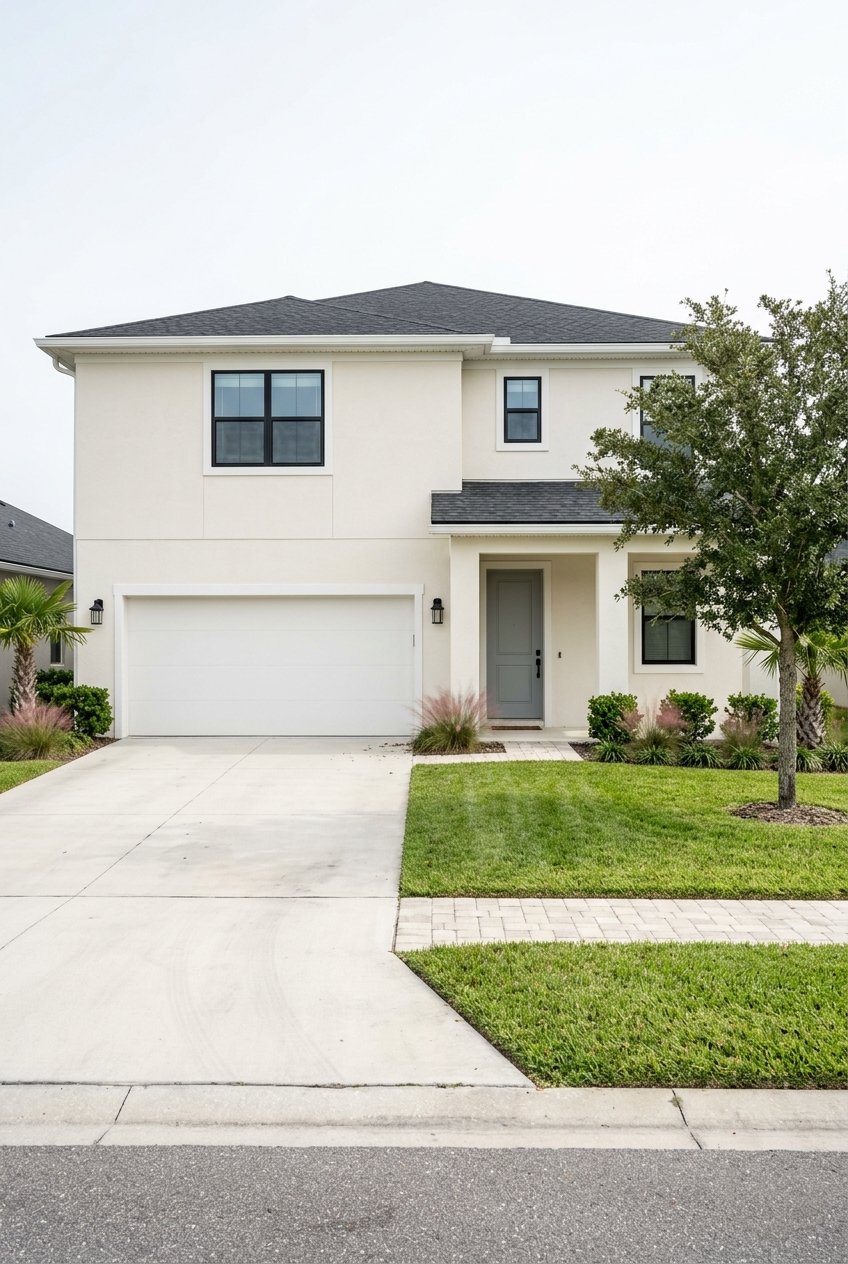
According to the City of Clermont vacation rental information page, vacation rentals are permitted for non-occupied, whole-house single-family homes and duplex units within city limits. If you are considering another type of property, it is smart to confirm local eligibility before closing so you do not buy an asset that does not fit your operating plan.
That same page also makes clear that the city wants proof of ownership as part of the permit process, such as a deed, tax receipt, or Lake County property record card. Clermont also states that permits will not be issued for properties with open violations, which makes due diligence especially important during the acquisition phase.
Before you build your strategy, it helps to understand where Florida draws the line. The state treats a property as a transient public lodging establishment when it is rented more than three times in a calendar year for periods of less than 30 days, or when it is advertised that way, according to the Florida DBPR vacation rental guide.
The same state guide defines nontransient lodging as stays of at least 30 consecutive days. That matters because a mid-term rental plan is not simply a longer short-term rental model. It should be reviewed as its own compliance path.
A smooth launch usually depends more on sequencing than speed. In Clermont, your first guest date is often shaped by licensing order, inspection timing, and furnishing lead times rather than the closing date itself.
Before closing, make sure the home matches Clermont’s vacation-rental rules and does not carry open violations. This is the stage to verify ownership records, review the property’s condition, and decide whether the asset fits your intended use.
For investors, especially remote or international buyers, this step can prevent costly surprises. A property that looks promising on paper may still need extra review if its use, layout, or compliance status creates friction later.
Florida’s DBPR says online vacation-rental applications are usually processed in one to two business days, and the digital license is emailed immediately after approval, based on the state licensing guide. That makes this one of the first action items after closing, or as soon as your application timing allows.
Because other parts of the launch rely on this license, early submission can help keep the rest of the timeline moving. It is one of the clearest examples of why a coordinated launch plan matters.
Clermont requires more than just the state license. The city’s process includes a vacation-rental application, a building permit application for the life-safety inspection, the DBPR license, Florida Department of Revenue registration, local business tax receipts, and interior and exterior sketches, according to the city requirements page.
The same city page lists a $375 vacation-rental fee that must be paid before the inspection can be scheduled. If you wait to collect these items one at a time, launch can slow down quickly.
This is one of the biggest avoidable mistakes. Clermont requires the permit before advertising a short-term rental, and the city ordinance treats short-term advertising as direct evidence of operating without a permit, as stated in the ordinance text.
In practical terms, that means your listing photos, calendar setup, and marketing copy should be ready to go, but not published early. Going live too soon can create compliance issues before your rental even starts.
Before launch, the home should be fully prepared both operationally and from a safety standpoint. The DBPR expects the property to be clean, safe, and in good physical condition, while Clermont also requires smoke and carbon-monoxide detection, fire extinguishers, evacuation mapping, a local phone line with 911 capability, on-site parking, and trash-handling standards.
This stage usually overlaps with furnishing, staging, inventory setup, and final walk-throughs. For many owners, this is where a one-team model becomes especially valuable because design, operations, and compliance all intersect at once.
Once you are cleared to launch, your listing still needs to follow local rules. Clermont requires the permit and representative contact information to be posted, and advertisements must display both the DBPR license number and the City of Clermont permit number, according to the city ordinance.
The ordinance also says the property cannot be marketed as a party, event, entertainment, or social venue. That means compliant listing language is not just a branding choice. It is part of operating correctly.
Revenue planning only works if your tax setup is correct from day one. For short-term stays of six months or less, Florida applies 6% state sales tax, any applicable discretionary sales surtax, and any county transient rental tax, according to the Florida Department of Revenue tax page.
The research provided for Clermont notes that Lake County’s current transient rental tax rate is 4%, and the 2026 state surtax table lists Lake County at 1%. That creates a typical combined tax stack of 11% on a fully taxable short-term stay before exemptions.
Clermont also says a Florida Department of Revenue registration is still required even when Airbnb, VRBO, or another manager or platform collects and pays the tax. The city notes that a Lake County tax account may not be needed if a manager or platform is handling the rental, while self-managing owners should use the county process instead.
If you are self-managing county tourist tax filing, Lake County’s TouristExpress portal is the county’s online filing system. This is another area where getting setup right early can save time later.
One detail many owners miss is that the city and state renewal schedules do not match. Clermont’s permit renews by September 30 each year, while DBPR places Lake County in District 4 with an April 1 annual renewal date and an October 1 half-year date, based on the city page.
Because these cycles are different, they should be tracked separately. A clean owner dashboard should include license status, permit status, tax remittance, inspection items, and renewal deadlines in one place.
Getting the first booking is not the finish line. Clermont’s ordinance gives strict correction timelines if there is a violation.
According to the ordinance, life-safety violations must be corrected within the earlier of three city working days or the next rental period. Other violations must be corrected within 30 days. If a property is declared a repeat nuisance, the permit can be suspended until an action plan is accepted and implemented.
That is why a launch plan should also include an operating plan. House rules, local contacts, maintenance response, and guest communication all support compliance, not just hospitality.
In Clermont, the launch path touches the city, DBPR, the Florida Department of Revenue, and Lake County. Add in furnishing, pricing, listing setup, cleaning coordination, and guest-readiness, and it is easy to see how handoff mistakes happen.
A one-team model helps because the steps are connected. Acquisition affects licensing, licensing affects inspections, inspections affect furnishing timing, and all of it affects your first revenue date. For remote owners and international buyers, having one coordinated team can make the process more transparent and easier to manage.
It also creates a stronger reporting structure after launch. Standard lodging metrics like occupancy, ADR, and RevPAR, as defined by STR’s glossary, can be paired with practical ownership metrics such as cleaning costs, maintenance, tax remittance status, and renewal dates.
The biggest takeaway is simple: closing is only one milestone. In most cases, your first guest date will depend more on license sequencing, inspection availability, and how quickly the home is safely furnished and properly documented for launch.
If you are buying in Clermont with income in mind, the smartest approach is to treat the purchase and the operation as one connected strategy. That can help you make better decisions before closing, avoid early compliance mistakes, and move toward launch with fewer surprises.
If you want a partner who understands both the purchase and the operating side, Glasstone Real Estate can help you map out a clearer path from acquisition to activation in Clermont and across Central Florida.